About HDPE DWC Pipe
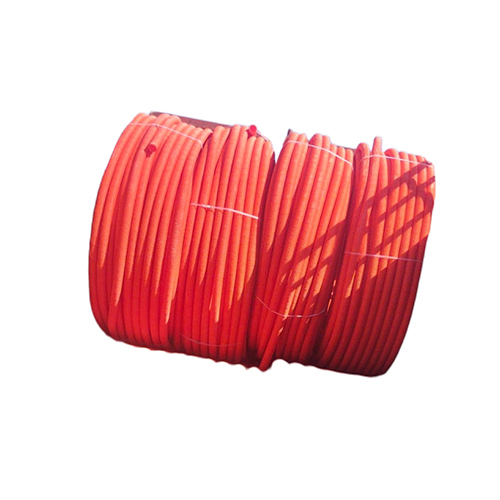
HDPE DWC pipe stands for High Density Polyethylene Double Wall Corrugated pipe. It is a type of piping system that features a double-layer structure. The outer layer is corrugated, which provides high strength and durability, while the inner layer is smooth, allowing for easy flow of materials. These pipes are commonly used for underground cable protection, drainage systems, and sewage applications.
The outer corrugated wall gives the pipe the mechanical strength to handle heavy loads and external pressure, making it ideal for buried applications. The smooth inner wall ensures minimal friction and allows for the free flow of water, cables, or other contents. This combination of strength and smoothness makes HDPE DWC pipes highly efficient and long-lasting.
HDPE DWC pipes are resistant to chemicals, corrosion, and abrasion, which makes them suitable for a wide range of industrial and infrastructure projects. They are also lightweight compared to traditional concrete or metal pipes, which makes them easier to transport and install. Their flexibility allows them to be laid in areas with uneven terrain or minor ground movement without breaking or cracking.
These pipes come in various sizes and are available with different load-bearing capacities. They are widely used in electrical and communication cable protection, storm water drainage, road crossings, and culverts. The non-reactive nature of HDPE material ensures that the pipes do not degrade over time when exposed to harsh environmental conditions.
In addition, HDPE DWC pipes are eco-friendly as they can be recycled and reused. Their long service life, low maintenance needs, and ease of installation make them a cost-effective solution for modern infrastructure needs. With strong performance characteristics and versatility, HDPE DWC pipes are an excellent choice for both urban and rural applications.
Exceptional Durability and Chemical ResistanceEngineered from high-density polyethylene, HDPE DWC pipes deliver outstanding durability, impact resistance, and chemical resilience. The pipes are non-conductive and self-extinguishing, making them ideal for demanding environments, including cable ducting and gritty slurry applications. Their robust construction ensures longevity and dependable performance over decades.
Flexible Installation and Superior FlowHDPE DWC pipes support both trenchless and open-cut installations, offering flexibility in various construction scenarios. The smooth inner bore minimizes friction losses, ensuring efficient flow of fluids or cables. With a lightweight build and ergonomic joint system, installation is quicker, simpler, and cost-effective.
Eco-Friendly and Compliant with Global StandardsCommitted to environmental responsibility, HDPE DWC pipes are 100% recyclable, helping reduce ecological impact. They comply with leading Indian and international standards such as IS 16098 (Part 2), IS 14930, DIN 16961, and ISO 21138, assuring quality and safety across a wide range of civil and infrastructure projects.
FAQs of HDPE DWC Pipe:
Q: How are HDPE DWC Pipes installed and what methods are available?
A: HDPE DWC Pipes can be installed using both trenchless (horizontal directional drilling or pipe bursting) and open-cut methods, offering flexibility for new construction or rehabilitation projects. Their lightweight and push-fit or rubber ring joint systems streamline installation, requiring less labor and machinery.
Q: What applications can benefit from using HDPE DWC Pipes?
A: These pipes are ideally suited for drainage, sewage, cable protection, and stormwater management. Due to their non-conductive nature and smooth inner bore, they are especially effective for electrical cable ducting and transporting abrasive or gritty slurries.
Q: What is the temperature operating range for HDPE DWC Pipes?
A: HDPE DWC Pipes are designed to operate reliably in environments from -40C to +60C, making them suitable for use in both extremely cold and hot climates without compromising performance or integrity.
Q: What are the main benefits of selecting HDPE DWC Pipes over traditional piping?
A: HDPE DWC Pipes offer superior impact, chemical, and abrasion resistance compared to traditional materials. Their lightweight design allows easy handling, while their 100% recyclability and compliance with international standards support sustainable and dependable infrastructure development.
Q: How long do HDPE DWC Pipes last under normal working conditions?
A: These pipes have a lifespan of up to 50 years when used under normal conditions, thanks to their robust high-density polyethylene construction and exceptional resistance to corrosion, UV rays, and mechanical stresses.
Q: Are HDPE DWC Pipes suitable for use in chemically aggressive or abrasive environments?
A: Yes, the pipes provide excellent chemical and abrasion resistance, making them suitable for use with a wide range of acids, alkalis, and abrasive materials, such as gritty slurries often found in industrial or municipal settings.
Q: What connection and joint systems are compatible with HDPE DWC Pipes?
A: HDPE DWC Pipes utilize secure push-fit, spigot and socket, or rubber ring joints with ring seals, ensuring leak-proof connections. This system is adaptable for both underground cable protection and gravity flow applications in drainage and sewage systems.





 Send Inquiry



 Send Inquiry
 Send Inquiry
 Send SMS